Kerassentials Detailed Review
A closer look at the formula, intended benefits, and everyday use.
Choosing a nail-care product starts with understanding its purpose. This Kerassentials detailed review explains the topical oil format, the ingredients highlighted in product materials, and the difference between conditioning care and treatment claims. It is a research-based product overview, not a report of personal testing or a promise of visible improvement.
Kerassentials is intended for nails, cuticles, and nearby skin. Its main appeal is direct application to an area that can be overlooked in everyday grooming. To assess whether it fits your needs, consider the complete formula, the directions on the bottle, your skin sensitivity, and the limits of the available finished-product evidence.
What Is Kerassentials?
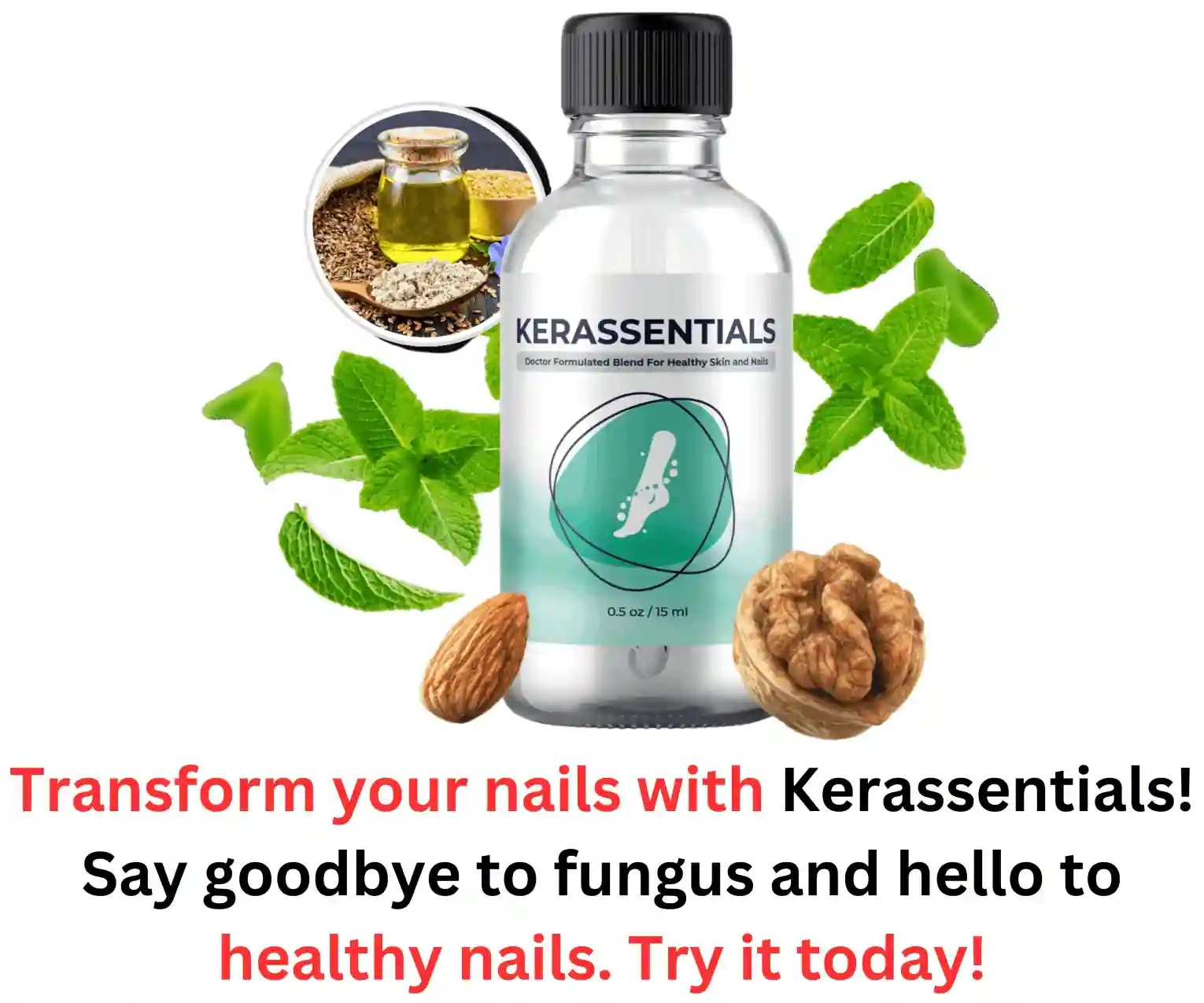
Kerassentials is a liquid oil applied externally to the nail area. It is not an oral supplement. The supplied website presents it as a blend for nail and surrounding-skin care, with botanical oils and other conditioning ingredients. The topical format allows local application, but the format alone cannot establish how much a person will benefit.
This distinction matters when comparing products. A care oil, an oral supplement, and a prescribed nail treatment have different purposes and instructions. Start by identifying what you want help with. If your concern is persistent thickening, discoloration, pain, or another unexplained change, a product description cannot determine its cause.
How the Topical Format Fits a Routine
The oil is brought into contact with the nail surface and surrounding skin according to the label. Its carrier oils help explain the conditioning concept, while other components contribute to the overall formulation. That is a more precise explanation than assuming the blend repairs nail tissue or reaches an infection beneath the nail.
Practical suitability also matters. Read the application frequency before purchasing and decide whether you can follow it. Online pages may describe different routines, so use the instructions supplied with your bottle rather than combining several sources. Applying more than directed should not be treated as a shortcut to faster results.
Ingredients and Their Intended Roles
Almond and flaxseed oils: These oils fit the conditioning aspect of the formula. They help explain its focus on skin around the nails, rather than proving a change in nail growth or resistance to infection.
Aloe vera and vitamin E: These are familiar skin-care ingredients. Tocopheryl acetate is a vitamin E derivative. Their inclusion supports a conditioning concept, but it is not a measurement of the finished product’s performance.
Tea tree, lavender, and lemongrass oils: These botanical oils feature prominently in product descriptions. Ingredient research has explored antimicrobial activity, but concentrations and test conditions matter. Laboratory activity is not equivalent to a demonstrated outcome for this bottle.
Undecylenic acid: This ingredient appears in topical antifungal products and published descriptions of Kerassentials. Its role must be considered alongside the concentration, formulation, and labeled use. Review the complete bottle label rather than treating this short list as the entire formula.
Intended Benefits and Realistic Expectations
The most straightforward reasons to consider Kerassentials are its local application and oil-based care format. These may suit someone looking for a dedicated grooming step for nails and nearby skin. Keeping a regular routine can also encourage attention to the condition of cuticles and dry-looking areas.
Those practical features should be separated from stronger promises. This review does not establish that Kerassentials strengthens nails, eliminates fungus, reverses antifungal resistance, or produces a predictable transformation. A conditioning ingredient can have a reasonable cosmetic role without demonstrating all of the outcomes sometimes attached to a nail-care advertisement.
What Does the Evidence Establish?
The review sources examined did not identify a clinical trial demonstrating the effectiveness of the complete Kerassentials formula. Some give favorable opinions based on individual ingredients, while others emphasize missing concentrations and the gap between ingredient studies and finished-product testing. Those are different interpretations of limited product evidence.
When reading a study mentioned on a sales page, ask what was actually tested. Was it the same blend, at the same concentration, applied in the same way? Was it a laboratory experiment or a controlled human study? If the answer is unclear, avoid treating the reference as proof of the advertised product result.
Skin Sensitivity and Label Checks
Natural ingredients are not automatically suitable for every person. Essential oils and botanical components may cause irritation or an allergic reaction. Check the complete ingredient list if you have known sensitivities, and follow the warnings on the packaging. Stop use if irritation occurs rather than assuming discomfort means the product is working.
Keep the product for external use and avoid contact with the eyes. If you already use a prescribed topical treatment, ask the prescribing professional before adding another product to the same area. People managing conditions that affect foot health should obtain advice about an appropriate care routine rather than relying on a general webpage.

How to Judge Testimonials and Product Images
A testimonial describes an individual account, not a controlled test. Different people can have different nail concerns, routines, and concurrent treatments. Unless those details are known, a positive story cannot tell you what caused a change or predict whether you would have the same experience.
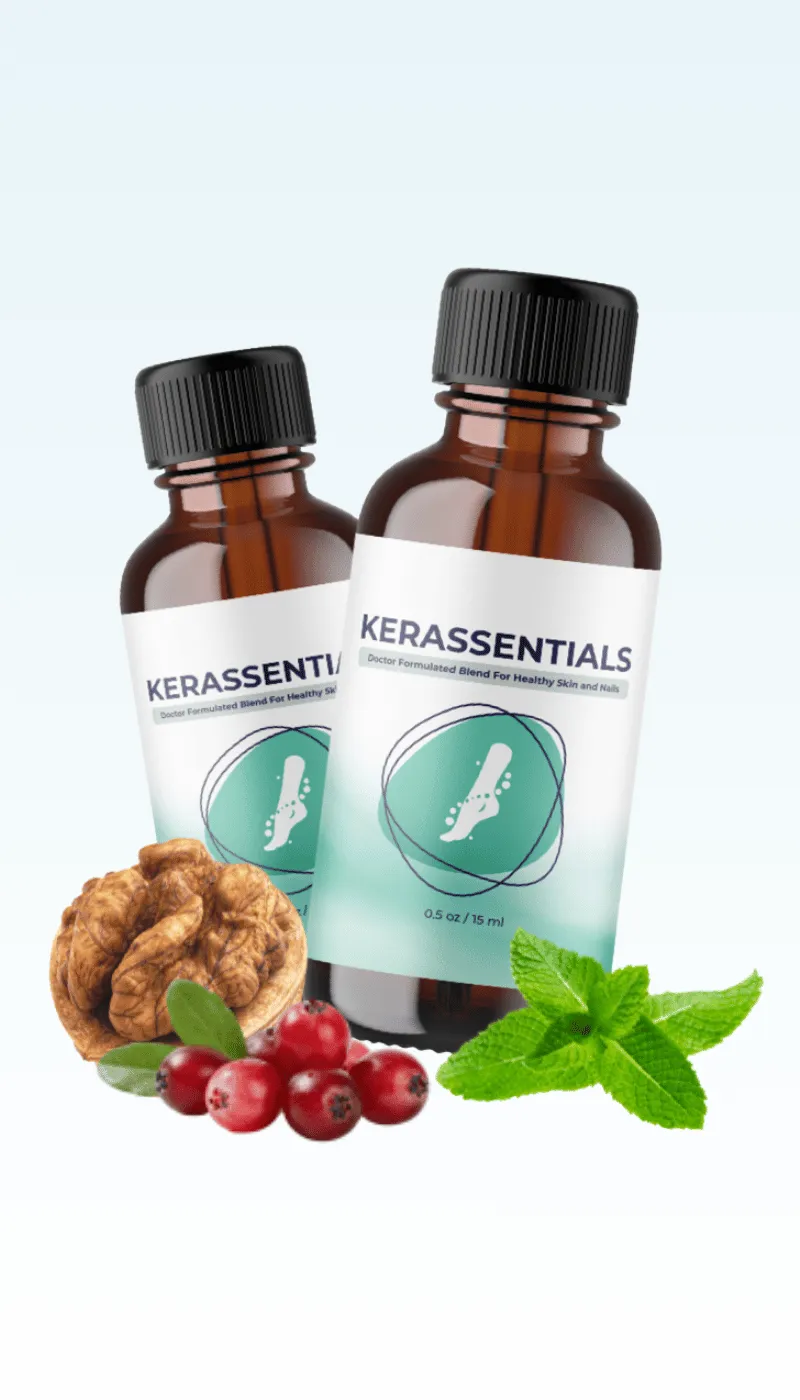
Product and package images can help identify the format being offered, but they do not verify the current label or checkout terms. Treat star ratings, dramatic photographs, and promotional language as information to examine. Give more weight to clear ingredient details, accessible instructions, and claims that match the available evidence.
A Practical Checklist for Comparing Nail Oils
When comparing Kerassentials with another topical product, start with information you can verify. Look at the complete ingredient list, bottle volume, application instructions, and warnings. Two bottles with similar front-label language can differ in composition or the amount supplied. The number of featured botanicals is not, by itself, a useful measure of quality or expected results.
Next, compare how clearly each seller explains its evidence. A transparent description distinguishes cosmetic care from disease treatment and identifies whether research concerns an ingredient or the finished formula. Check whether a claimed result is supported by a relevant study rather than a general reference about nails. If important details are unavailable, treat that uncertainty as part of your buying decision.
Choose a routine you can follow comfortably and reassess if your needs change. Do not keep applying a product solely because a large package remains unused. Your response, label instructions, and professional advice matter more than finishing every bottle.
Cost, Value, and Purchase Terms
Value depends on more than the lowest advertised bottle price. Consider the total purchase commitment, bottle quantity, application directions, delivery cost, and refund requirements. A larger package can mean a lower unit price while still being a poor fit for someone who has not checked the ingredients or decided whether the routine is practical.
Our Kerassentials discount and guarantee guide explains those purchase checks in more detail. Read the current seller terms before ordering and keep your receipt. A guarantee provides a possible refund route under stated conditions; it does not fill a gap in evidence about effectiveness.
Common Review Questions
Is this a hands-on review?
No. This page evaluates supplied product information and published sources; it does not claim that we purchased or tested the oil.
Will it cure a fungal nail infection?
A cure is not established by the finished-product evidence reviewed. Seek an appropriate evaluation for a suspected infection.
How soon should I expect a change?
No reliable product-specific timeline has been established. Do not use testimonials as a personal forecast.
Who might consider the format?
Adults interested in a topical conditioning routine may wish to assess it after checking the label, suitability, and purchase terms.
What is the key takeaway?
Evaluate Kerassentials as a topical nail-care option with evidence limits. Choose based on the actual formula and your needs, rather than guaranteed transformation claims.
Sources and Further Reading
DoseAudit: label, evidence, and purchase assessment
Illuminate Labs: ingredient review and evidence limitations
NIH NCCIH: tea tree oil information
American Academy of Dermatology: nail fungus diagnosis and treatment
These educational resources do not endorse this website or establish results for Kerassentials. Product terms must be checked with the merchant.